

Insulation
Metal Building Insulation
Keeping your building cool in summer and warm in winter comes down to one thing: good insulation. It’s a simple upgrade that changes everything.
Choose Your Insulation Type
Pick the Insulation that Fits Your Building and Region. We’ll Price it with You.
Not every building needs the same type of insulation. Let’s look at some of the available options to find the right one for your project:
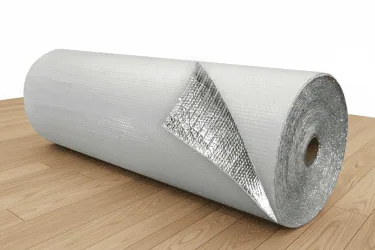
Single bubble is an economic option that still gets the job done. It’s good for smaller spaces, and can help you cut back a bit on condensation.
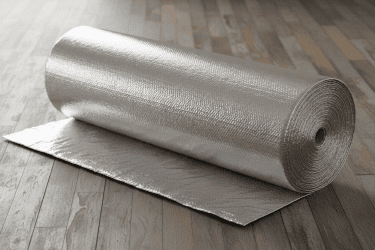
Double bubble insulation is a step up that adds more heat reflection and a touch of comfort. If you spend time in your shop, this one’s worth it.
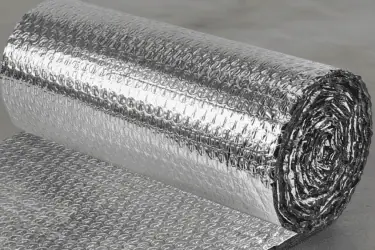
This one’s serious about energy savings. It reflects radiant heat and keeps things steady inside. Great for workshops or barndos where people are in and out all day.
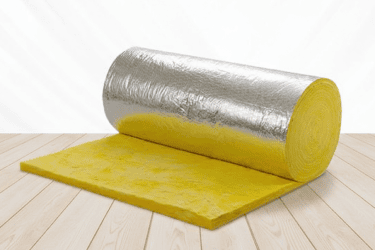
The classic. Fiberglass works great in bigger buildings where sound matters too. Keeps things quiet and comfortable.
Why Insulate Your Metal Building
Truth is, insulation does more than just maintain temperatures and ward off moisture. It keeps your whole structure in better shape over time.
Stops water from forming on metal and keeps rust away.
Knocks down echo and cuts outside noise.
Feels better to work or relax in, whatever the weather’s doing.
Less heat loss means smaller bills.
Keeps mold, mildew, and corrosion in check.
Where Insulation Helps the Most
Some spaces just benefit more than others. However, insulation really earns its keep in:
Keeps tools dry and makes long workdays a lot more tolerable.
Holds steady temps and makes the living space quieter.
Keeps employees comfortable and HVAC systems from working overtime.
Helps protect feed, livestock, and equipment from damp air.
Keeps things from freezing up and cuts down on frost and condensation.
Frequently Asked Questions About Metal Building Insulation
Do you have questions about what type of insulation works best for your metal building? You’re not alone, by a long shot. To help make sense of all the options, we’ve answered some of the most common questions we see about insulation:
Yes – many customers add insulation when they enclose walls or upgrade interiors, but planning doors, trims, and heights now lowers future effort.
Materials follow panel/ OEM coverage; workmanship issues within 90 days are corrected at no charge
It reduces it significantly. Ventilation and drainage still matter.
R-14 fiberglass or higher R reflective systems with sealed seams.
Install according to the guidance and maintain moisture management for optimal coverage.